BM-5
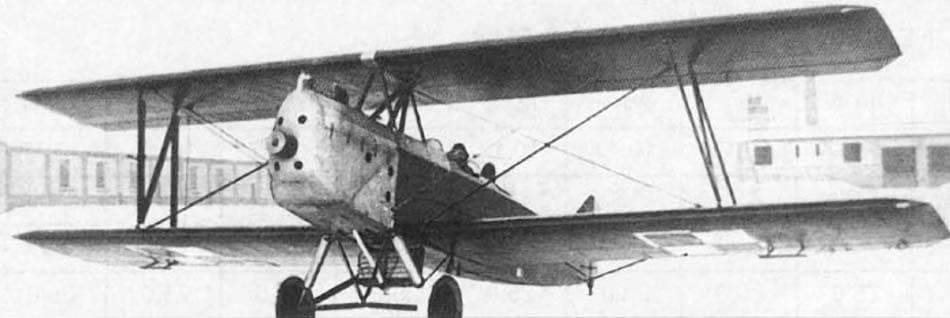
The first competition for training aircraft in 1924 ended in failure, as no single project met the military’s requirements. In this situation, a second competition was announced in 1926. The main condition was the use of old SPA-6A or Austro Daimler engines, which were respectively found on the outdated Ballila and Oeffag D-III fighters.
Engineer Bartel, based on his BM-2 design, presented a new design, the BM-3. However, after comparative evaluations, the military chose two projects: the ST-4 and the PWS-2.
Development of the BM-5
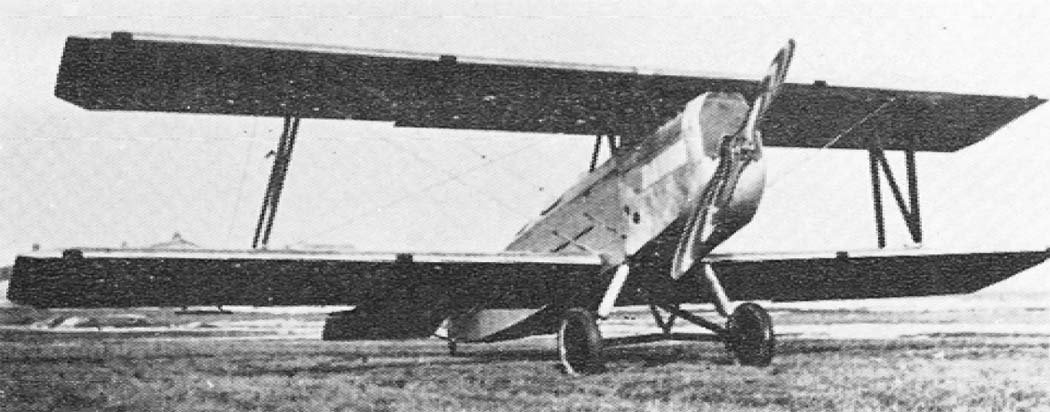
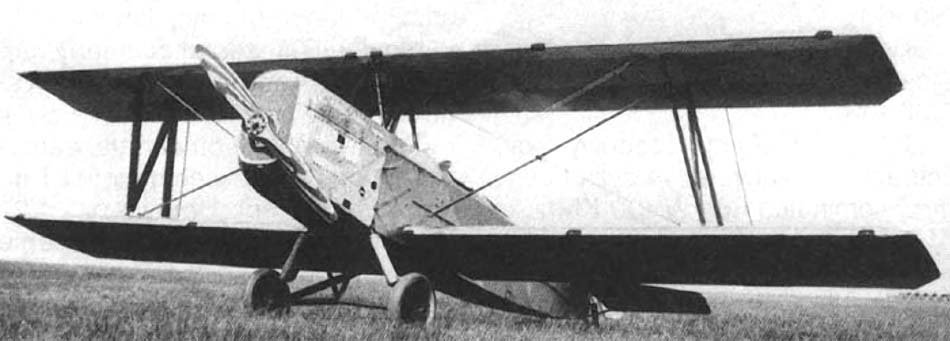
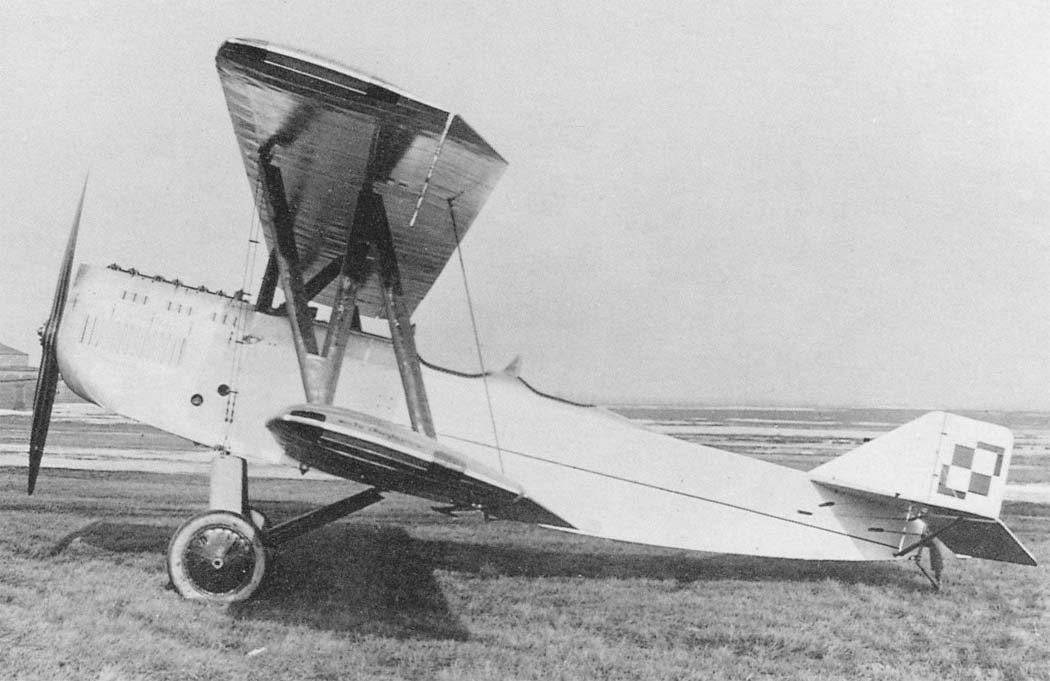
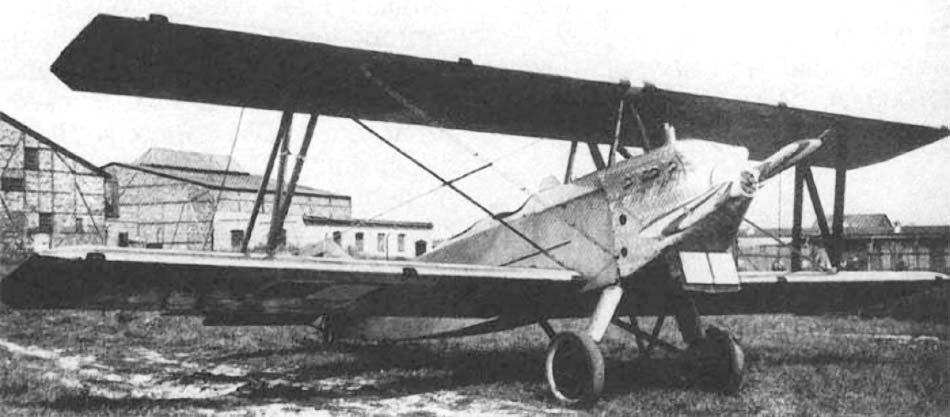
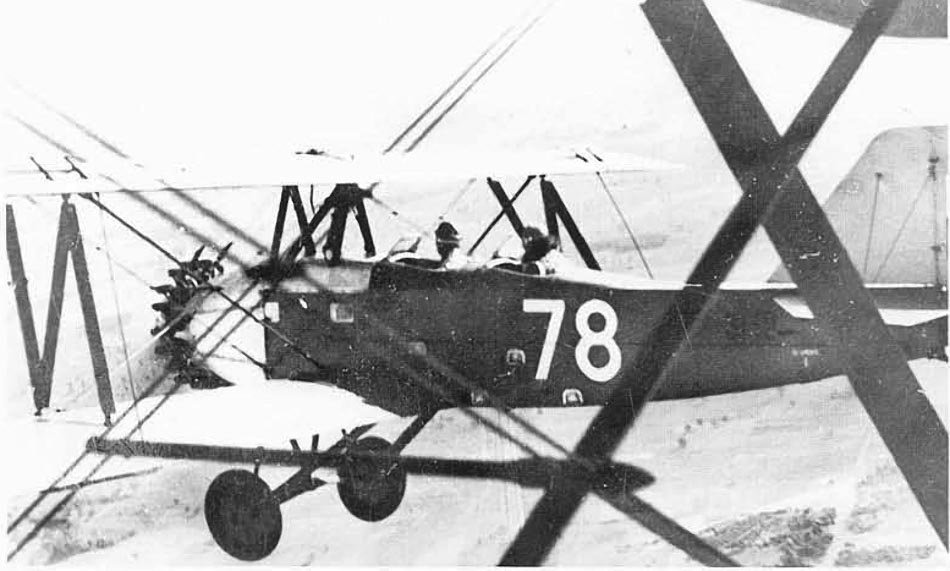
Despite this, Bartel continued his developments and embarked on the new BM-5 project. The BM-5a prototype, with an Austro Daimler engine, made its first flight on August 27, 1928. Soon after, the aircraft was handed over for military trials, during which some modifications were made.
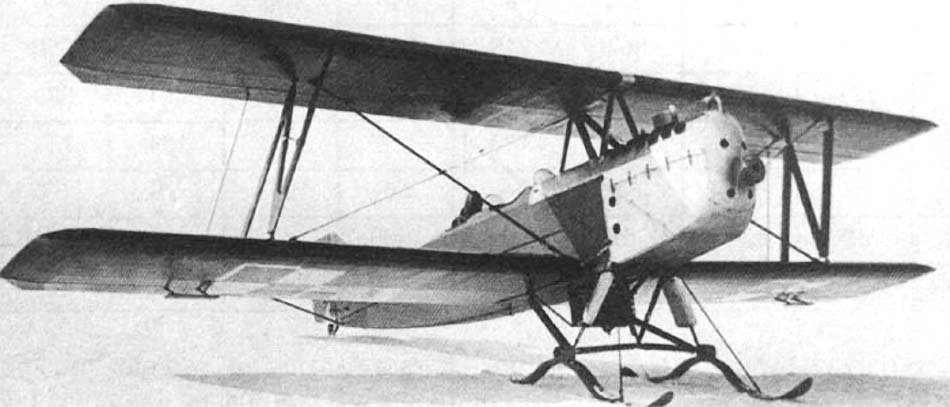
During evaluation flights at the Ławica airfield in the winter of 1929, skis were installed on the aircraft, which performed excellently. The second prototype, the BM-5b, with an SPA engine, first took to the air on April 15, 1929. Compared to its predecessor, it was 60 kg heavier due to a larger fuel supply. The prototype of the BM-5c version was test-flown on July 29, 1929, again equipped with a more powerful engine.
Production and Service
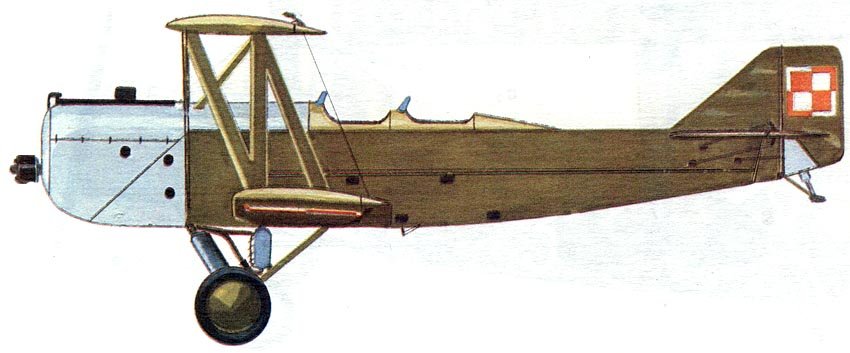
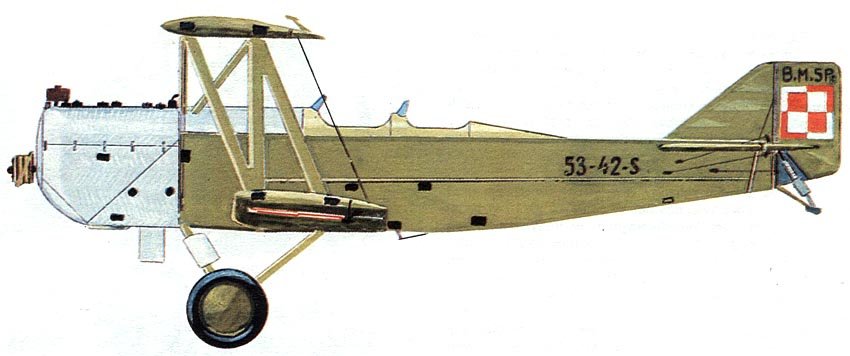
On March 20, 1929, a contract was signed for the serial production of 40 aircraft: 20 of the BM-5a version and 20 of the BM-5b version. The first five aircraft were equipped with an AD225 engine, and the next five with an SPA. All serial aircraft received the single military designation BM-5P2. Deliveries were completed in 1930. Serial aircraft received interchangeable landing gear.
All serial aircraft, apart from flight schools, were distributed to aviation regiments. In April 1938, the aircraft were replaced by the PWS-26. However, during the September 1939 events, several aircraft were still located at airfields.
Technical Specifications
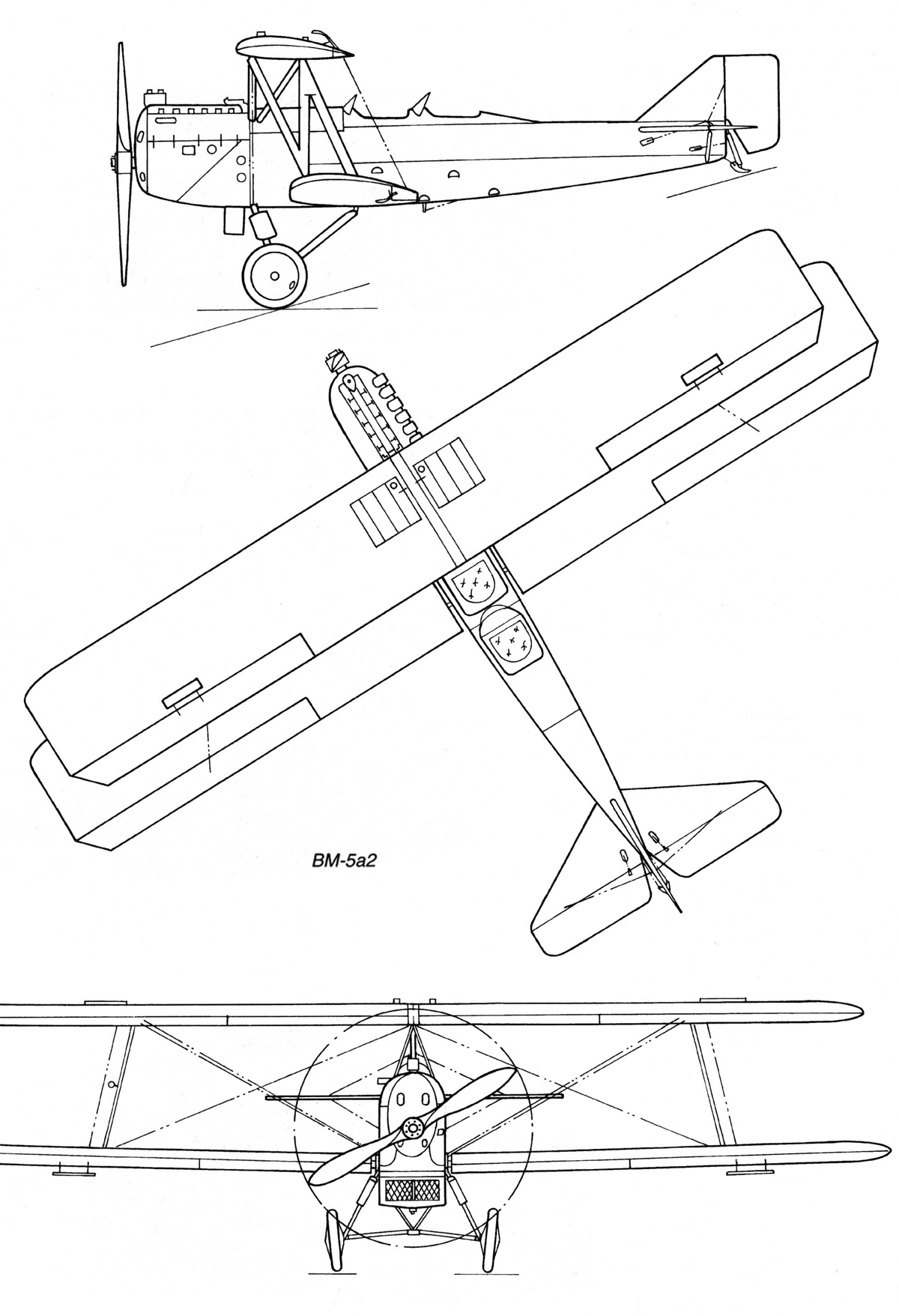
| Modification | B M-5a2 |
| Wingspan, m | 11.20 |
| Length, m | 7.81 |
| Height, m | 3.18 |
| Wing area, m2 | 31.00 |
| Empty weight | 980 |
| Normal takeoff weight | 1350 |
| Engine type | 1 Piston engine Austro Daimler |
| Power, hp | 1 x 225 |
| Maximum speed at sea level, km/h | 164 |
| Cruising speed, km/h | 145 |
| Practical range, km | 420 |
| Rate of climb, m/min | 156 |
| Service ceiling, m | 3250 |
| Crew, crew members | 2 |
Image and diagram gallery of the BM-5
 BM-5 |
 BM-5 |
 BM-5 |
 BM-5 |
 BM-5 |
 BM-5 |
 BM-5 |
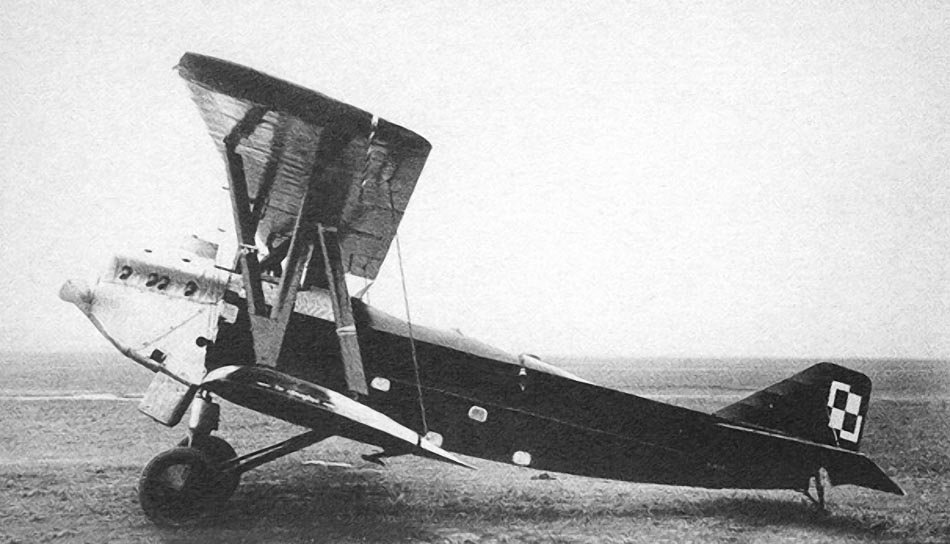 BM-5 |
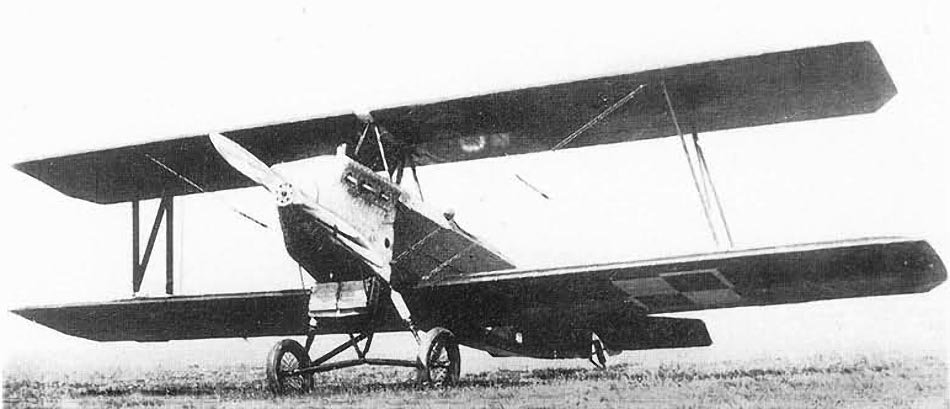 BM-5 |
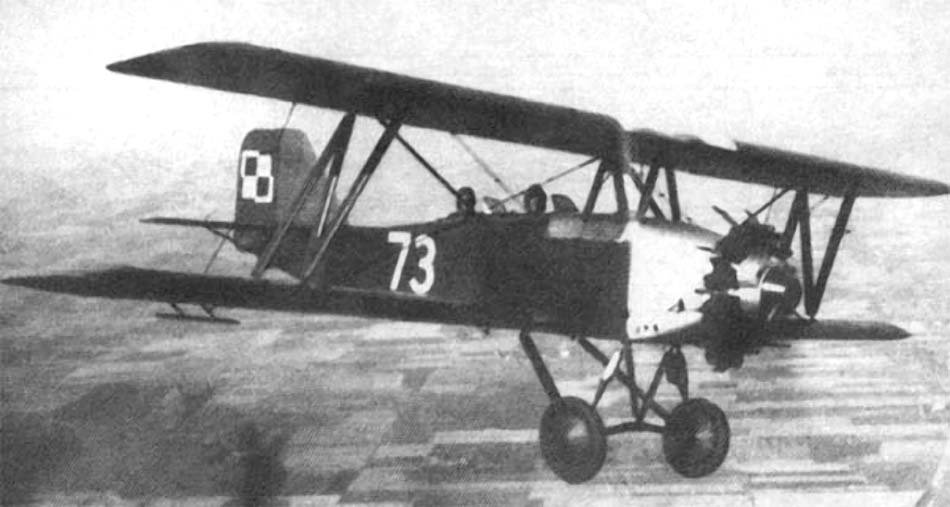 BM-5 |
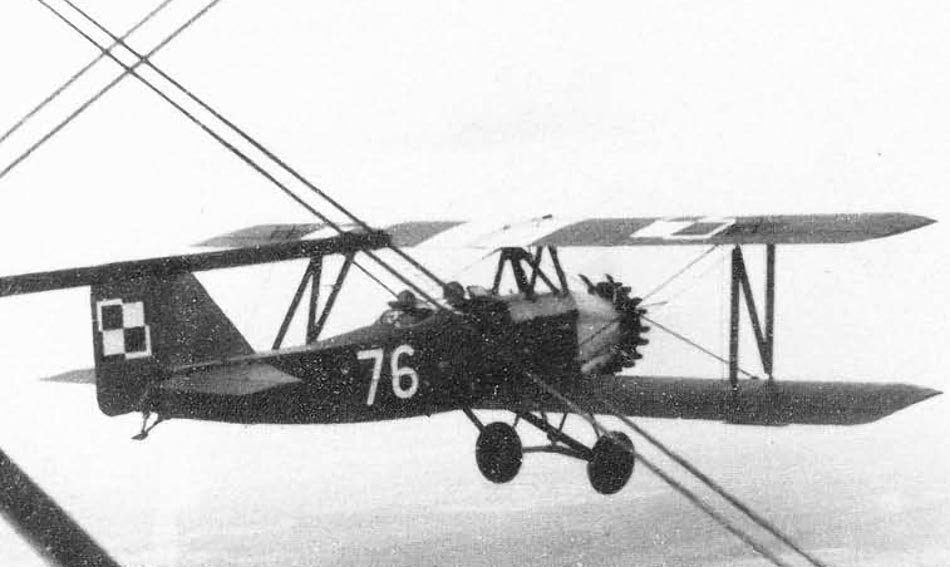 BM-5 |
 BM-5 |
 BM-5 |
 BM-5 |
 BM-5 |
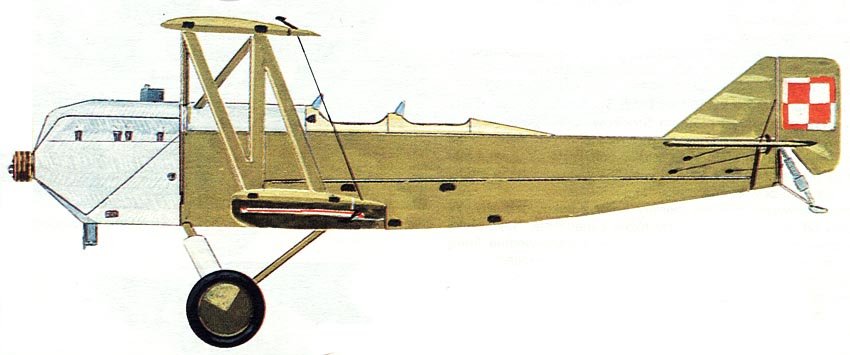 BM-5 |
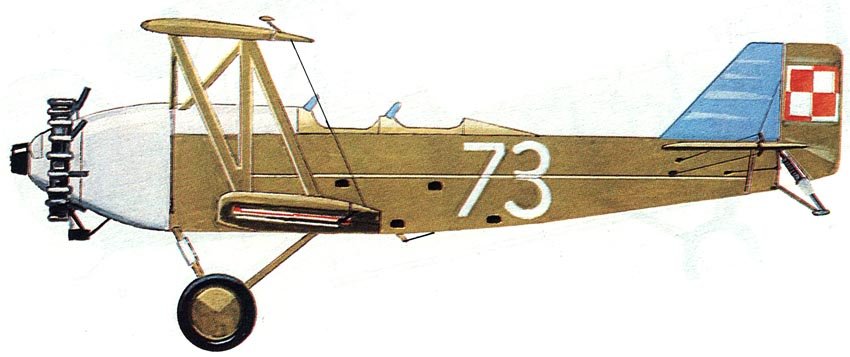 BM-5 |
ArchivoAéreo Editorial Team
A group of aviation researchers and enthusiasts dedicated to documenting and preserving global aeronautical history. All articles are reviewed to ensure historical accuracy.
Sources & Accuracy
The information presented in this technical sheet has been compiled from declassified flight manuals, historical archives, and specialized literature. While we strive for maximum accuracy, some performance data may vary depending on the specific variant or operational conditions.