Casmuniz 52 (5-2)
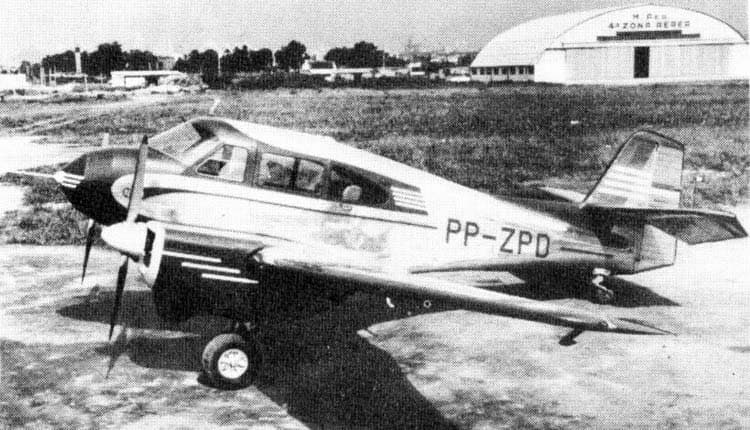
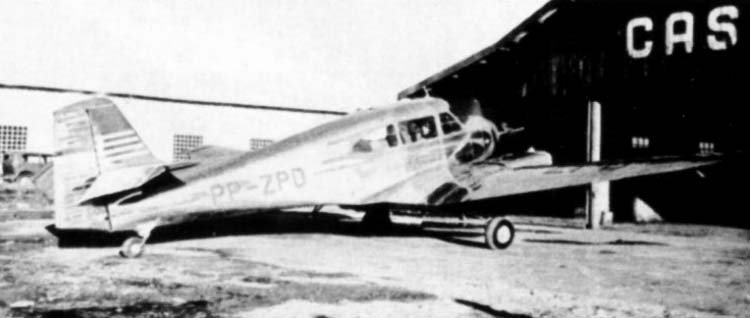
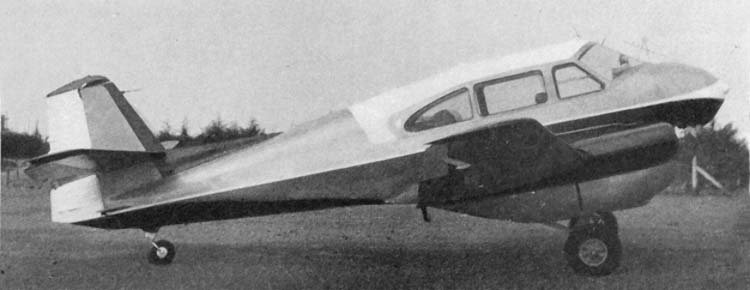
The Casmuniz 52 (or 5-2) was the last known aircraft designed by Cassio and Antonio Muniz. This model was a twin-engine, five-seat transport aircraft, characterized by its low-set wing and powered by 185 hp Continental E185 engines.
The aircraft’s design was handled by Willibald Weber, who drew inspiration from a Czech twin-engine Aero model. This foundational approach paved the way for a promising new aircraft design.
Pioneering Brazilian Aviation
The Casmuniz 52 prototype made its maiden flight in April 1952, marking a significant milestone: it became the first all-metal aircraft of Brazilian design. Its development represented a substantial advancement for the country’s aeronautical engineering capabilities.
By 1955, the aircraft successfully completed its testing cycle and was recommended for series production. However, due to the emergence of more well-known Cessna models in the market, production of the Casmuniz 52 was halted, leaving only a single prototype.
A Unique Aviation Story
The sole Casmuniz 52 ever built, bearing the registration number PP-ZPD, passed through several owners over the years. Its story concluded tragically in 1968, when the aircraft crashed in an accident over the Amazon jungle, ending the journey of this unique prototype.
Technical Specifications
| Modification | Casmuniz 52 |
| Wingspan, m | 13.3 0 |
| Aircraft length, m | 8. 00 |
| Aircraft height, m | 3.50 |
| Wing area, m2 | 19.26 |
| Empty weight | 1280 |
| Maximum takeoff weight | 1750 |
| Engine type | 1 Piston engine Continental E185-11 |
| Power, hp | 1 x 185 |
| Maximum speed, km/h | 1 95 |
| Cruising speed, km/h | 175 |
| Practical range, km | 1200 |
| Rate of climb, m/min | 462 |
| Practical ceiling, m | 6100 |
| Crew | 1 |
| Payload | 4 passengers |
Image gallery of the Casmuniz 52 (5-2)