Nieuport BN.1
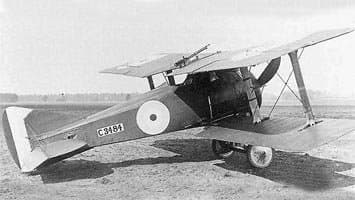
Nieuport & General Aircraft Co Ltd. was founded in the United Kingdom before the start of World War I to license-produce French Nieuport aircraft. In 1917, after engineer Henry Folland was appointed chief designer, the company began designing its own aircraft.
Design and Development
The first such aircraft was the Nieuport BN.1 fighter, released in 1918 under Air Board Specification A.1, which sought a replacement for the Sopwith Camel. Three prototypes of the fighter were built, the first of which took to the air in February 1918.
The BN.1 was a single-seat, two-bay wooden biplane with wings of equal span. A 230 hp (172 kW) Bentley BR2 radial engine with a two-bladed wooden propeller was chosen as the powerplant. A distinguishing feature of the aircraft was an under-fuselage fin, similar to that of the SE5. Armament consisted of two synchronized 7.7mm Vickers machine guns and one 7.7mm Lewis machine gun, mounted on the upper wing, firing over the propeller.
Performance and Ultimate Fate
During testing, the BN.1 demonstrated good flight characteristics, which generally surpassed the Sopwith Snipe. However, the program’s further development was hindered by an accident on March 10, 1918, when the fighter caught fire in the air due to engine problems.
The Sopwith Snipe was subsequently adopted for service. Folland then proceeded to design a new aircraft, the Nieuport Nighthawk.
Technical Specifications
| Modification | BN.1 |
| Wingspan, m | 8.53 |
| Length, m | 5.64 |
| Height, m | 2.74 |
| Wing area, m2 | 24.00 |
| Empty weight | 620 |
| Normal takeoff weight | 921 |
| Engine type | 1 Piston engine Bentley BR2 |
| Power, hp | 1 x 230 |
| Maximum speed, km/h | 204 |
| Flight endurance, h | 3 |
| Rate of climb, m/min | 288 |
| Service ceiling, m | 7925 |
| Crew, crew members | 1 |
| Armament | two synchronized 7.7-mm Vickers machine guns, one 7.7-mm Lewis machine gun installed on the upper wing |
Image and diagram gallery of the Nieuport BN.1
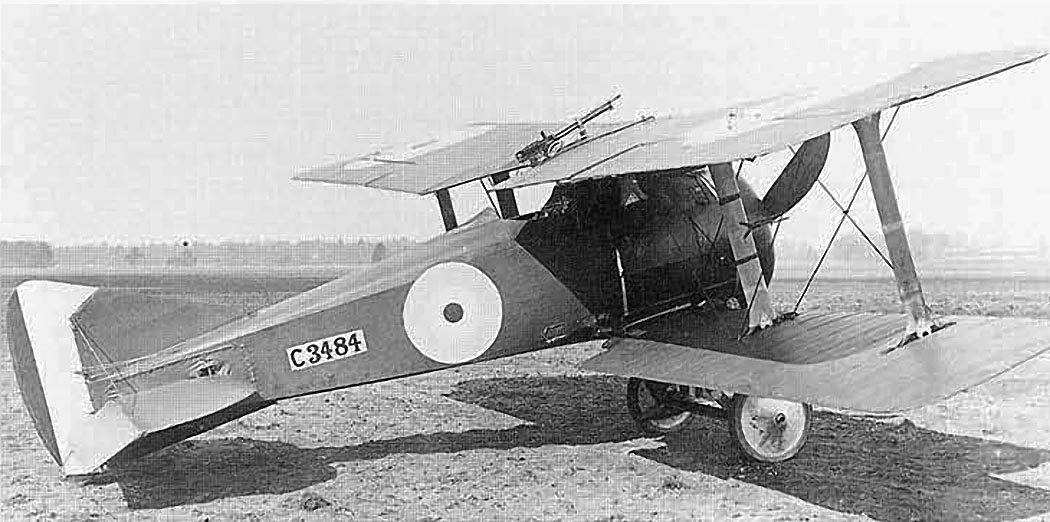 BN.1 |
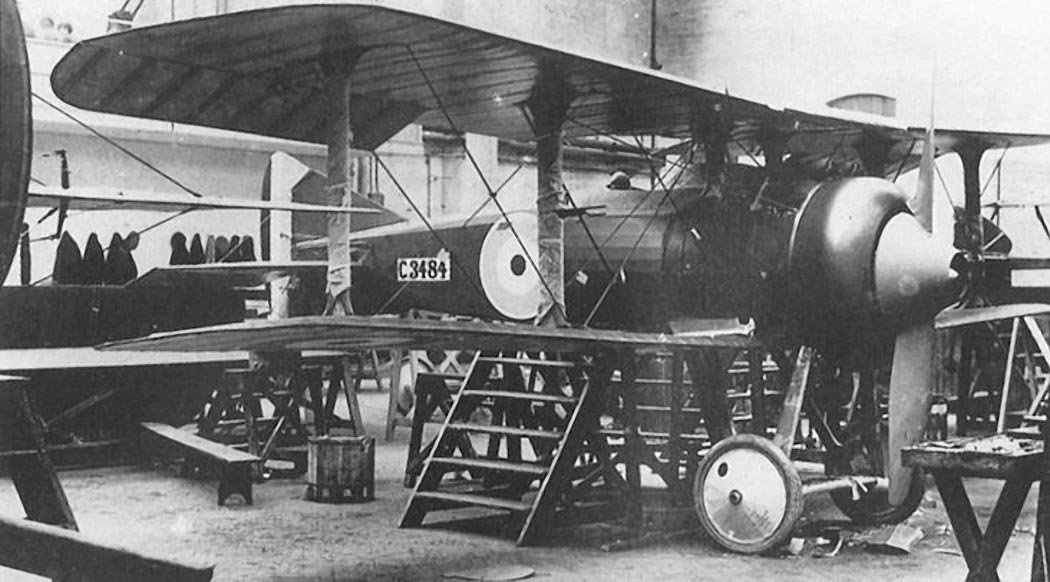 BN.1 |
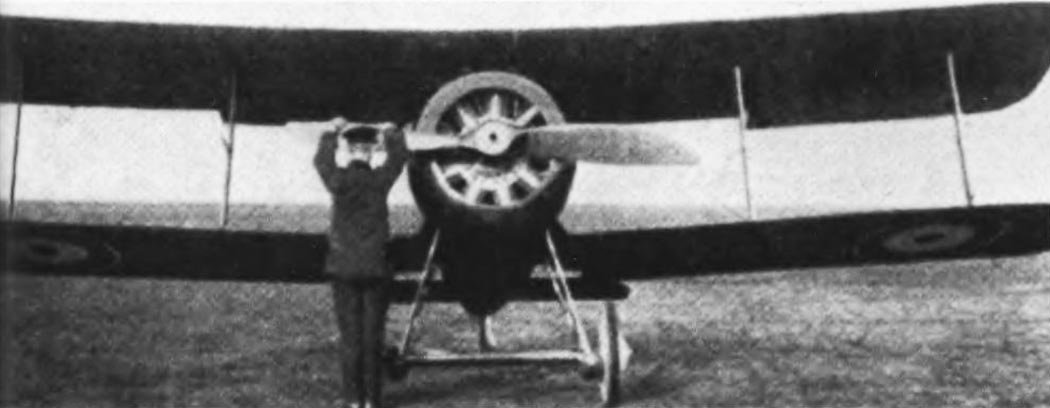 BN.1 |
 BN.1 |
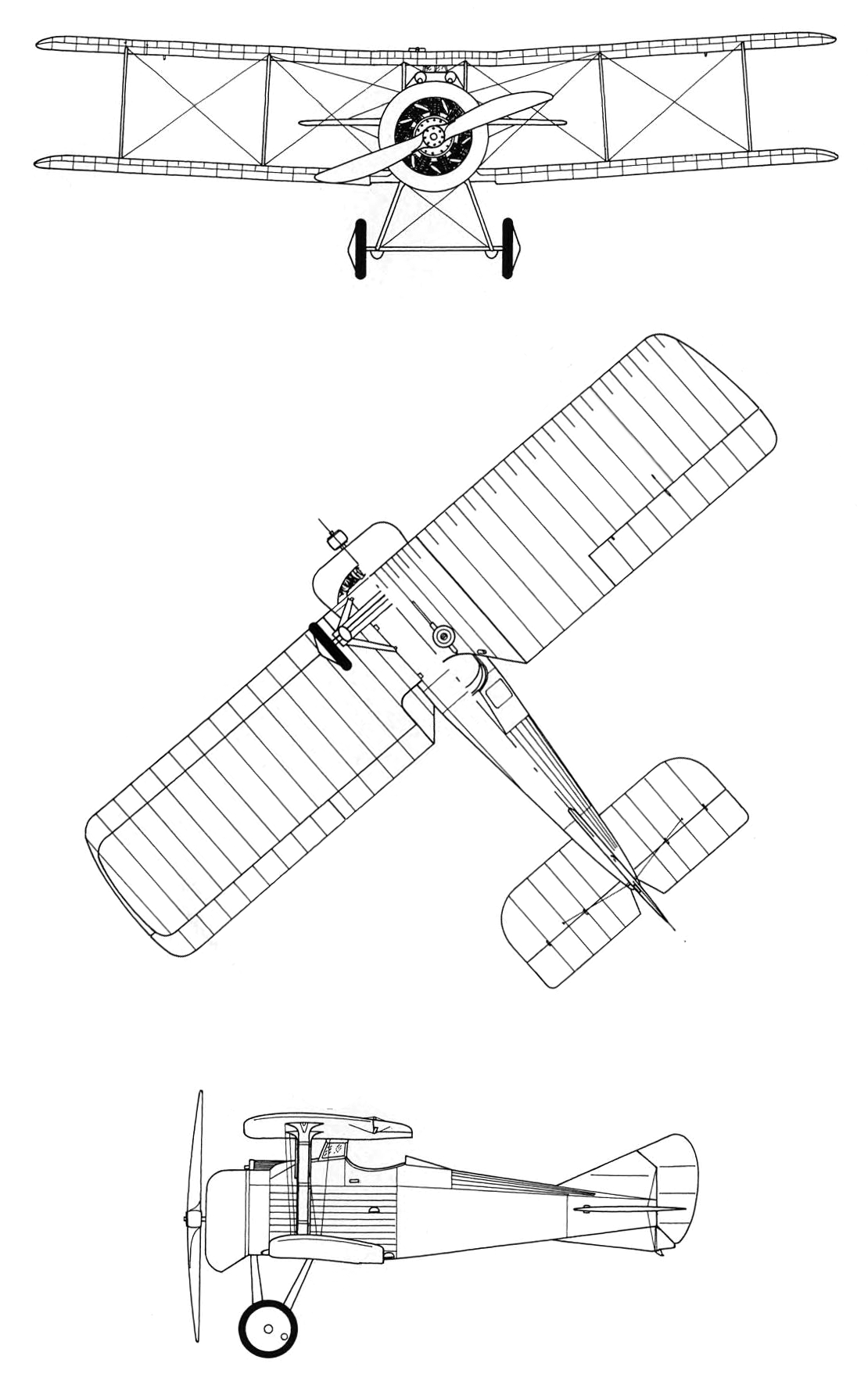 BN.1 |
Equipo Editorial de ArchivoAéreo
Grupo de investigadores y entusiastas de la aviación dedicados a documentar y preservar la historia aeronáutica mundial. Todos los artículos son revisados para garantizar precisión histórica.
Fuentes y Rigurosidad
La información presentada en esta ficha técnica ha sido compilada a partir de manuales de vuelo desclasificados, archivos históricos y bibliografía especializada. Aunque nos esforzamos por mantener la máxima precisión, algunos datos de rendimiento pueden variar según la variante específica o las condiciones operativas.