CH-148 Cyclone
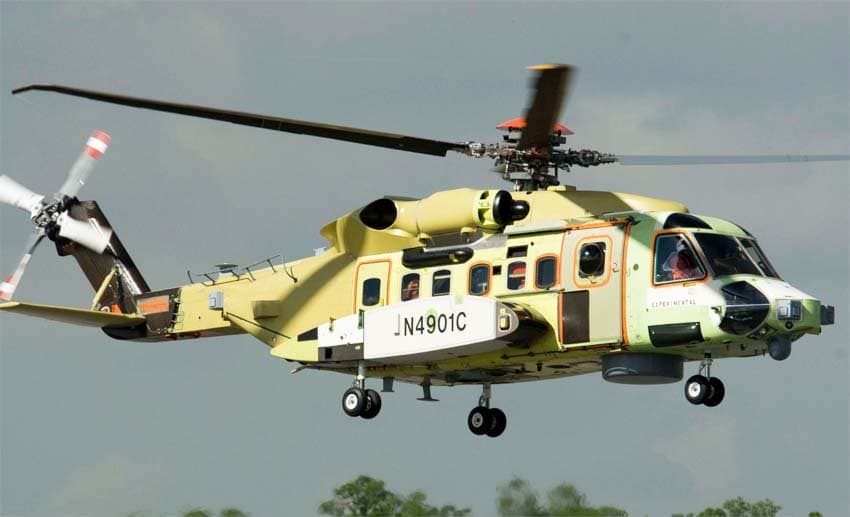
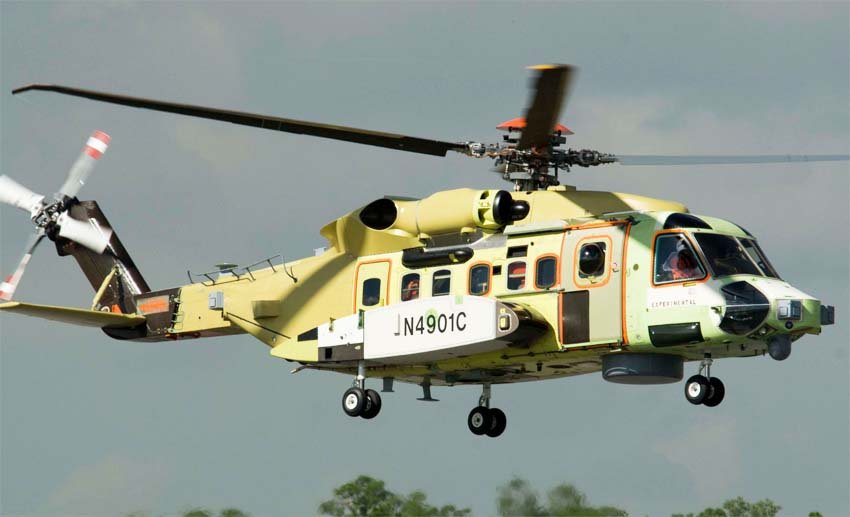
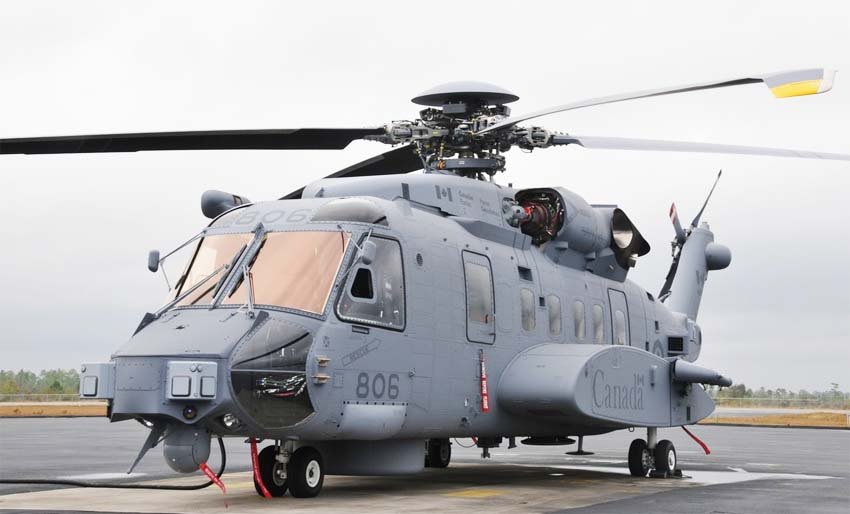
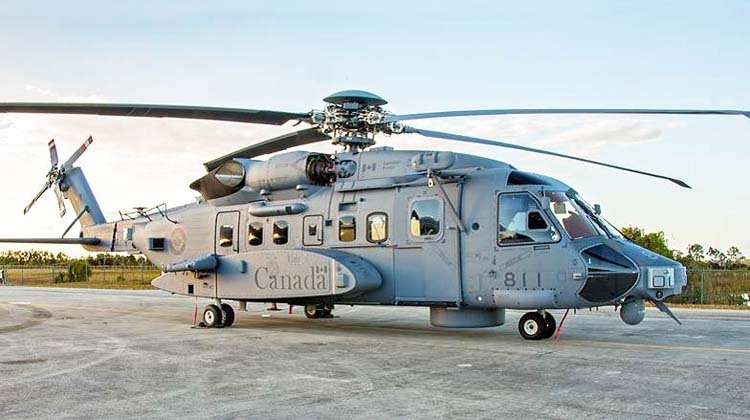
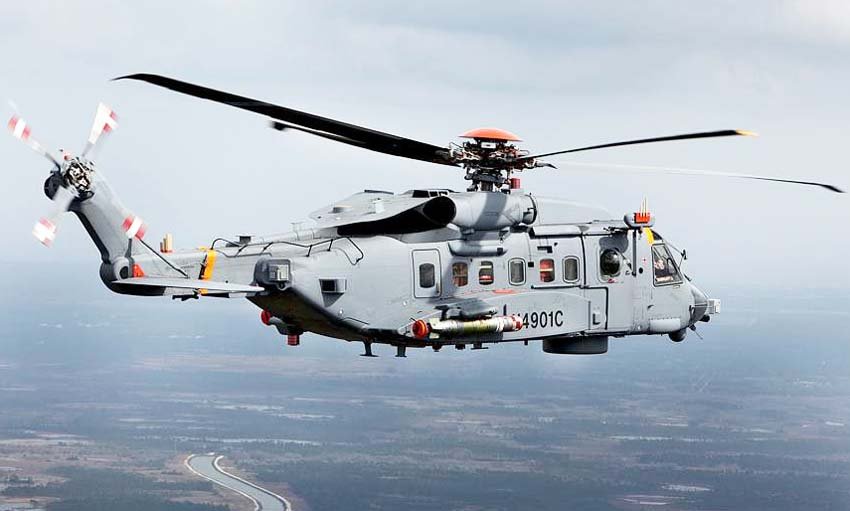
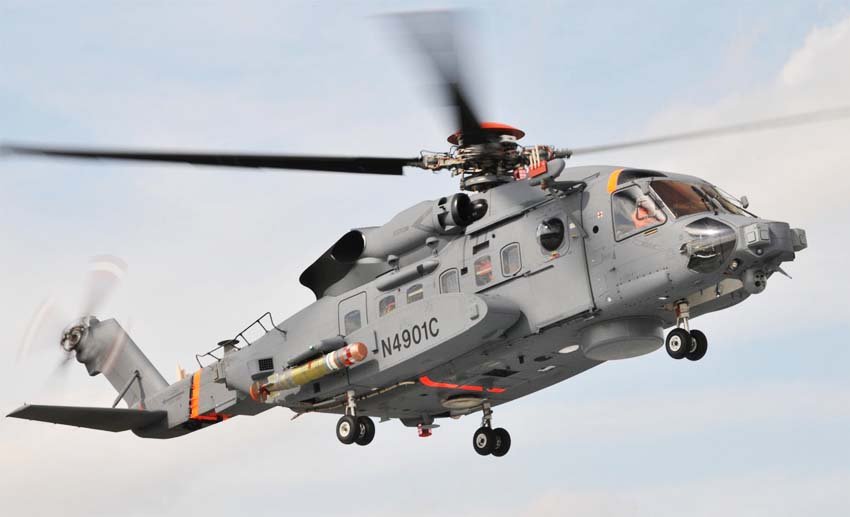
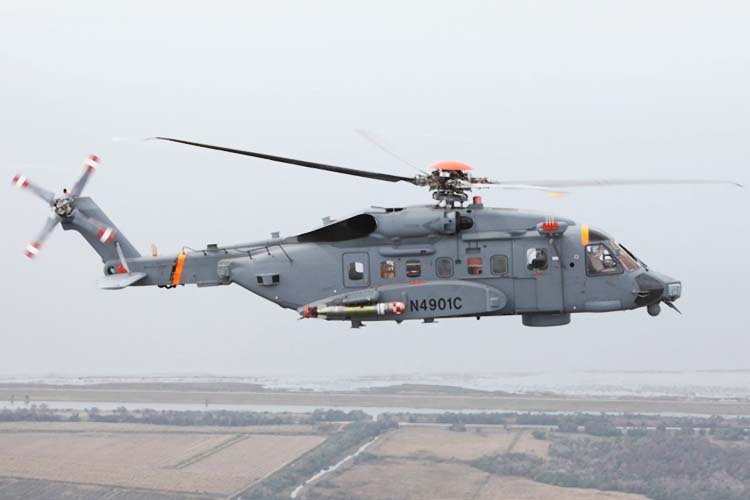
In 2011, the American company Sikorsky delivered the first CH-148 Cyclone multi-purpose helicopter to the Canadian Navy. The helicopter arrived at 12 Wing Shearwater base in Nova Scotia and will be used for pilot training.
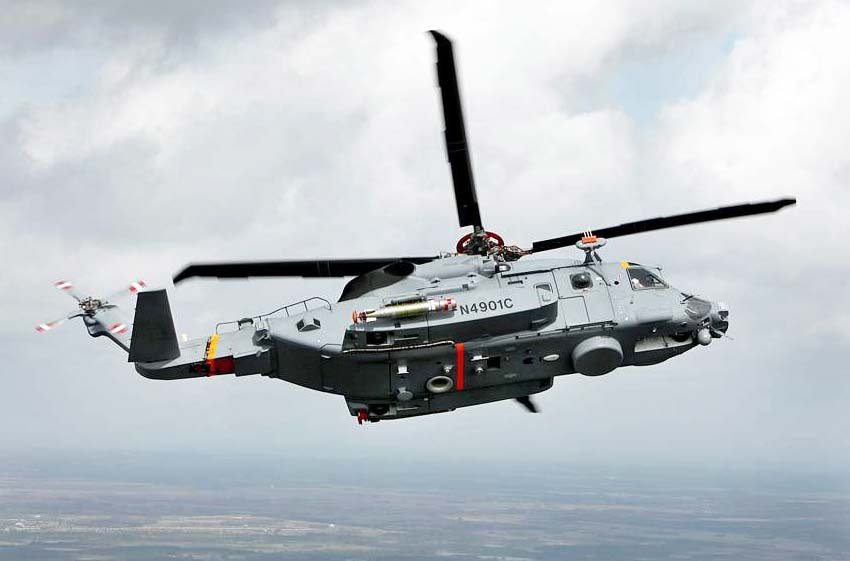
Developed by Sikorsky specifically for Canada’s Ministry of Defence, the aircraft was first presented to the public and specialists at the international Le Bourget Air Show. It is intended to replace the H-3 Sea King, which has been in service with the Canadian military for about half a century. The new helicopter is designed for multi-purpose missions, search and rescue operations, transportation of personnel and military cargo, and the destruction of ground, surface, and submarine targets.
Introduction and Purpose of the Cyclone
The CH-148 is built on the S-92 platform and differs from its predecessor with General Electric CT7-8 engines adapted for naval application. It features a 360-degree maritime search radar, a FLIR infrared camera, and the latest passive and active acoustic systems for target detection. The CH-148 Cyclone’s tail boom and blades are foldable, a crucial design for storing the helicopter in ship hangars.
The CH-148’s first flight took place in November 2008. The aircraft is capable of reaching speeds of up to 306 kilometers per hour. Its crew consists of four individuals: two pilots, an anti-submarine warfare and electronic warfare systems operator, and a combat control officer.
Technical Specifications and Crew
The contract for the helicopter supply was signed in November 2004, with the deal amounting to approximately $1.5 billion. In December 2008, an amendment to the agreement stipulated that the Canadian military would receive the first Cyclone in November 2010. The purchase of these helicopters was part of the Maritime Helicopter Project, which aims to replace the outdated CHSS-2 Sea King with the new CH-148.
Under the contract terms, Sikorsky is to deliver 28 multi-purpose helicopters to Canada. The first aircraft was initially scheduled for handover to the Canadian Air Force in November 2008, with the last by early 2011. In 2010, Canada revised its contract with Sikorsky, agreeing to accept “intermediate” versions of the Cyclone and paying an additional $112 million for the machines’ development project. The initial contract cost was five billion dollars.
Procurement and Timeline
As of summer 2013, four Cyclones were at the base, with a fifth ready for delivery from the former US Air Force base in Plattsburgh, New York. Two more aircraft were undergoing flight tests in Florida and Connecticut. Thus, the number of Canadian Cyclones could increase to eight units this year. Additionally, nine more helicopters are in the assembly stage. In total, Canada requires 28 CH-148 Cyclone units to replace the Sikorsky CH-124 Sea King helicopters, which have been in operation for 50 years.
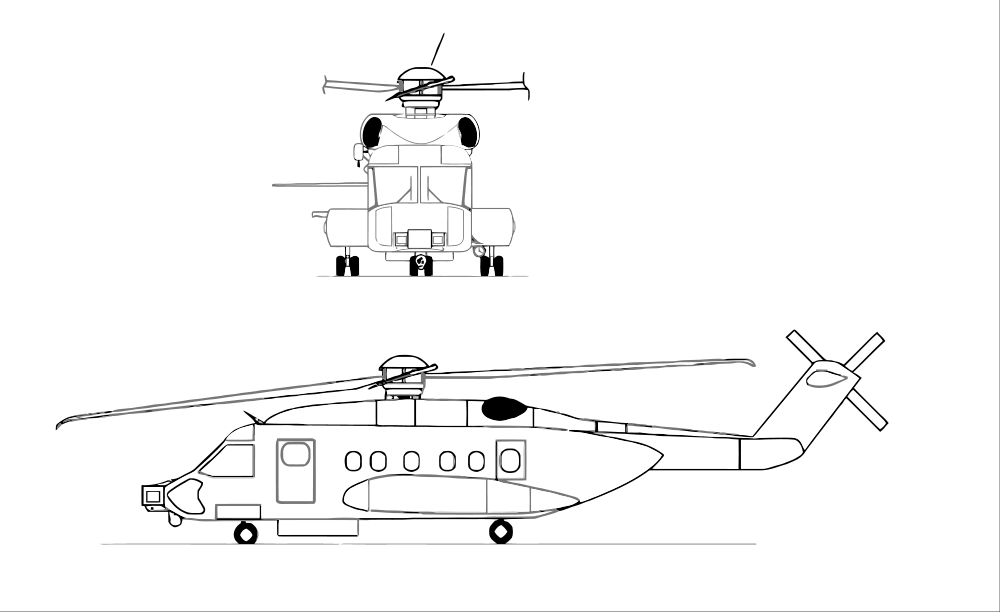
Technical Specifications
| Modification | CH -148 |
| Main rotor diameter, m | 17.71 |
| Tail rotor diameter, m | 3.35 |
| Overall length, m | 20.85 |
| Fuselage length, m | 17.32 |
| Height, m | 4.70 |
| Width, m | 3.89 |
| Empty weight | 7070 |
| Maximum takeoff weight | 12 993 |
| Engine type | 2 General Electric CT7-8A7 gas turbine engines |
| Power, kW | 2 x 2238 |
| Maximum speed, km/h | 306 |
| Cruising speed, km/h | 254 |
| Practical range, km | 945 |
| Practical ceiling, m | 4572 |
| Static ceiling, m | 3000 |
| Crew | 4 crew |
| Payload | 22 soldiers or 2 MK-46 torpedoes or BRU-14 weapon pylons |
Image gallery of the CH-148 Cyclone